Request a quoteInquire

Guide for retailers

How to open a clothing boutique: from concept to first order

A step-by-step guide for anyone opening a women's clothing boutique, showroom or online store: choosing the format, covering the basics, deciding where to buy stock, budgeting the first order and building a starting outerwear range.

  • 38+years in business
  • 42-78size range
  • Gerberautomated cutting
How to open a clothing boutique: from concept to first order

To open a clothing boutique, you need to define your customer and format, register the business, find suppliers that can handle repeat orders and plan the first order by size, colour and season. ADONIS (Adonis Factory) is an outerwear manufacturer in Kharkiv, Ukraine, founded in 1988. Since 2002 it has made women's jackets and raincoats, sold wholesale to stores, showrooms and marketplace sellers.

We see boutique launches from the supplier's side: which first orders sell through and which hang on the rail until the end of the season. The most common mistakes are a wide range with no depth in core sizes, buying to the owner's taste instead of the customer's, and no budget left for repeats.

For a new boutique, outerwear is both an opportunity and a risk. Jackets lift the average sale and define the look of the shop, but they sell in short seasons. That is why the range plan at the end of this guide is built around seasonal logic.

01

How to open a clothing boutique: concept and format

Begin by describing your customer: age, lifestyle, budget, sizes and where she shops today. The format follows from that. A high-street or shopping-centre boutique brings passing trade but carries the highest rent and fit-out costs. A showroom serves a loyal clientele, often by appointment, in premises with lower rent. An online store, an Instagram shop or a marketplace lets you start with a small space for stock and photography. Many women's boutiques start with a showroom plus social media and open a street-level shop once they know their audience and best-selling styles.

  • Customer profile: age, style, budget, sizes
  • High street or shopping centre: footfall, high rent
  • Showroom: loyal clients, lower costs
  • Online store, Instagram, marketplace
  • A mix of channels at launch
02

How to become a clothing retailer: the legal and practical basics

Every country has its own rules, but the checklist is similar everywhere. Register a business, choose a tax regime, open a business account and check the requirements for taking card and cash payments in your country. Sign a lease for the premises and make sure your supplier provides invoices and garment labelling that meets local consumer rules, typically composition, care instructions and manufacturer details. Insurance for stock and premises is worth considering from day one. This section is not legal advice: requirements change, so confirm them with an accountant or local business adviser before opening.

  • Business registration and tax regime
  • Business account and payment acceptance
  • Lease for the premises
  • Invoices and compliant garment labels
  • Insurance for stock and premises
03

Where do boutiques buy their clothes?

Boutiques buy from four main sources: manufacturers, wholesale markets, brand distributors and showrooms, and online wholesale platforms. Buying direct from a factory gives permanent style codes, repeats of best sellers, consistent sizing and clear origin. Wholesale markets offer quick choice, but neighbouring traders often carry the same goods and repeating a style is harder. Brand distributors and trade showrooms suit boutiques that want established labels. Judge suppliers on more than price: size charts, quality, reorder options, paperwork and whether the shop across the street sells the same item all matter.

  • Factories: repeats and consistent sizing
  • Wholesale markets: fast choice, less exclusivity
  • Brand distributors and showrooms: known labels
  • Judge on quality, sizing, repeats, paperwork
04

How much stock do you need to open a boutique?

Calculate the first order with a formula rather than by eye: number of styles, times colours, times sizes, times depth in each size, times the wholesale price. Add a reserve for repeats of best sellers, because they bring in most of a season's revenue. Separately from stock, budget for rent, fixtures, photography, marketing, staff and a cushion for the first months. To lower the starting budget, cut the number of styles and colours, not the size run: a customer who cannot find her size goes to a competitor. ADONIS managers state wholesale prices for specific styles in a quotation.

  • Styles x colours x sizes x depth x price
  • A reserve for repeats
  • Rent, fixtures, photography, marketing
  • A cushion for the first months
  • Cut styles, not sizes
05

Your first outerwear order: a range plan

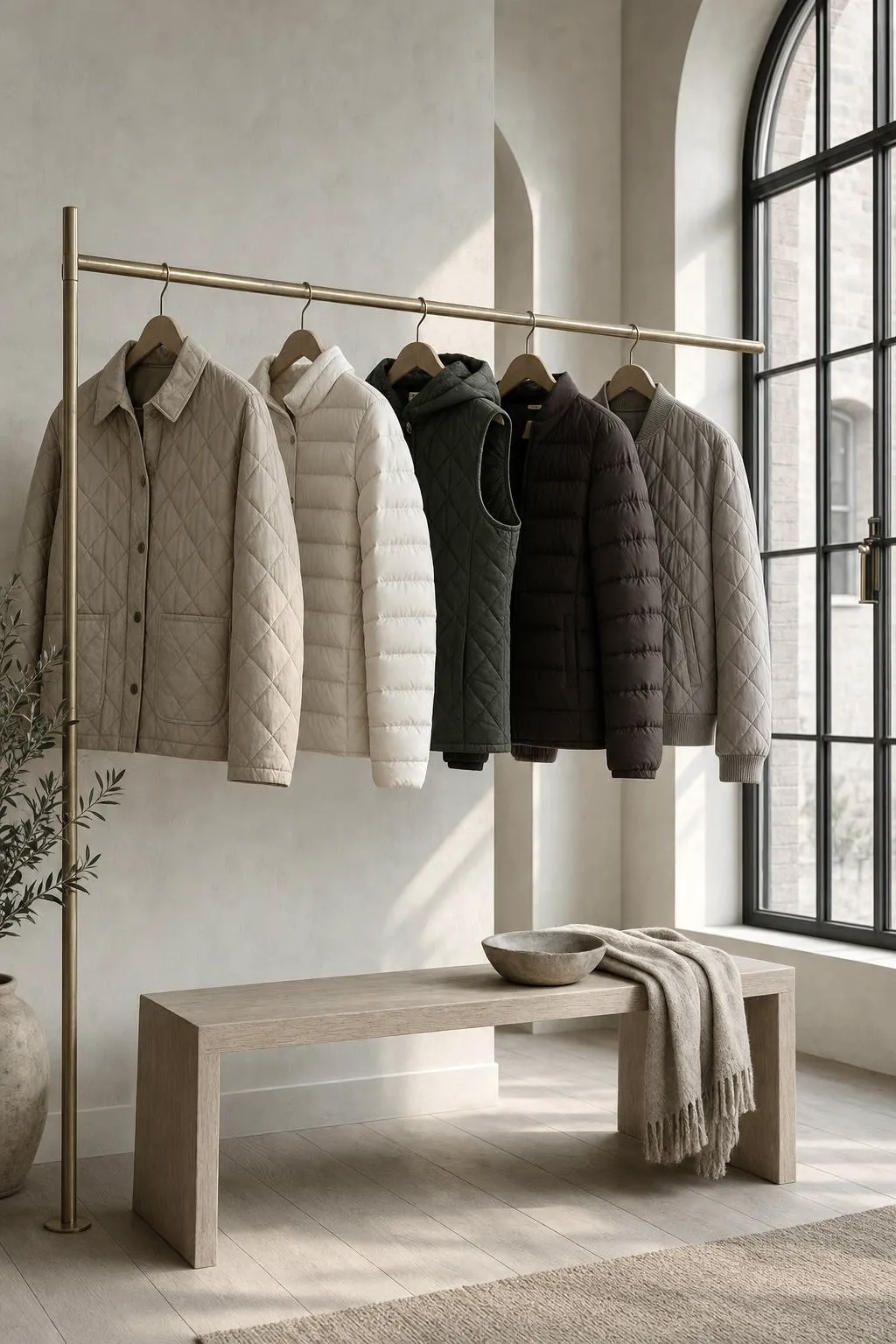
Build the starting outerwear range around the next season and a few clear roles. The core is basic styles in black and neutral colours that sell every year, such as a straight transitional jacket like the Daisy style in the ADONIS catalogue. The second role is the season's fashion pieces, such as the oversized Rimini jacket, bought in less depth. The third is add-ons that lift the average sale, like vests and raincoats. Weight the size curve towards the central sizes, and if your customers wear plus sizes, plan an extended run: at ADONIS it reaches 42-78 depending on the style. Keep part of the budget for reorders.

  • Core styles in neutral colours
  • Fashion pieces in less depth
  • Vests and raincoats as add-ons
  • A size curve that matches your customer
  • Budget held back for repeats

FAQ

What wholesale buyers ask

How do I open a clothing boutique from scratch?

Define your customer and choose a format: a street shop, a showroom, an online store or a mix. Register the business, set up tax and payments, find suppliers that can repeat best sellers and calculate the first order by style, colour and size. Launch with a focused range that has depth in core sizes, and keep budget aside for reorders.

How much stock do you need to open a boutique?

Enough to show a focused range with full size runs, rather than a wide range one piece deep. Work it out as styles times colours times sizes times depth, then add a reserve for repeats. The right figure depends on your format and space, so start with fewer styles and full sizes, and reorder what sells.

Where do boutiques buy their clothes?

Boutiques buy from manufacturers, wholesale markets, brand distributors and trade showrooms, and online wholesale platforms. Buying direct from a manufacturer gives permanent style codes, repeat orders and consistent sizing. ADONIS in Kharkiv sells women's outerwear wholesale to stores and showrooms and sends its range and terms in a quotation.

What is a showroom in fashion?

In fashion, a showroom has two meanings. In wholesale, it is a space where brands or agents present collections to store buyers, who place orders there for the coming season. In retail, it is a small, often appointment-based shop with a loyal clientele and lower rent than a high-street store. Both formats rely on curated ranges.

How do I become a clothing retailer with a small budget?

Choose a format with low fixed costs, such as an appointment-only showroom, an online store or an Instagram shop, rather than a high-street unit. Reduce the number of styles and colours but keep full size runs in your best sellers. Work with a supplier that offers repeats, so you buy what sells instead of tying cash up in a wide range.

What should a first outerwear order for a boutique include?

Include core styles in neutral colours that sell every year, a few fashion pieces for the season in less depth, and add-ons such as vests and raincoats. Weight sizes towards the centre of the range, or extend it if your customers wear plus sizes. Hold part of the budget back to reorder the styles that sell first.

Quote request

Opening a boutique or showroom?

Tell us about your format, your customer and the season you launch in. An ADONIS manager will suggest a starting outerwear range and send wholesale terms.

+38 099 222 55 29

What do you need made?

Describe the style, quantity and timing in your own words. Our wholesale sales manager will cost the order and send you a quote.

Wholesale clients only. We reply during business hours.